By Joseph Bryson December 30, 2025
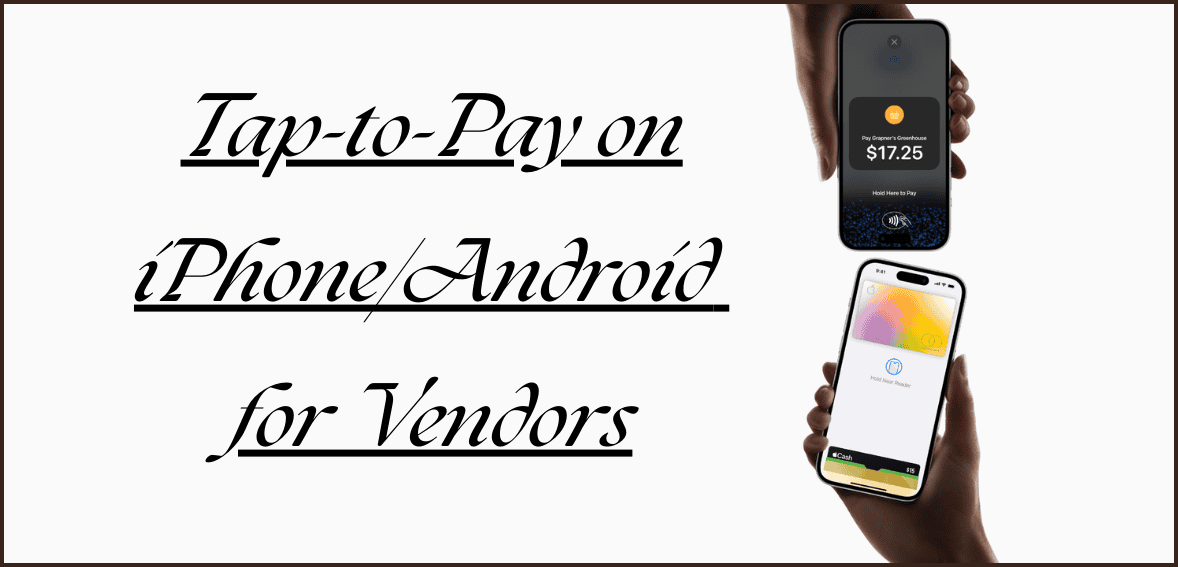
Vendors with tap-to-pay are leading the transformation of payment acceptance in businesses. As card machines require hardware costs and other related issues, this new technique has taken away those restrictions completely. Vendors are now able to accept secure contactless payments through their smartphones. Tap-to-pay on iPhone and tap-to-pay on Android are turning regular electronic devices into powerful payment processing ones.
Contactless transactions for vendors have seen a huge increase in use and popularity. People are going for quicker checkout and zero-contact situations. Convenience, safety, and speed are the three reasons behind this shift. Those vendors who implement tap-to-pay for vendors will not have to spend on new hardware to satisfy the demand.
This technology is particularly useful for small and mobile businesses. It encourages and gives them room to expand. Vendors are able to take payments at temporary shops, fairs, houses, or wherever customers are. As cashless transactions keep on prevailing, tap-to-pay for vendors is providing an up-to-date and expandable way out.
How Tap-to-Pay for Vendors Works on iPhone and Android
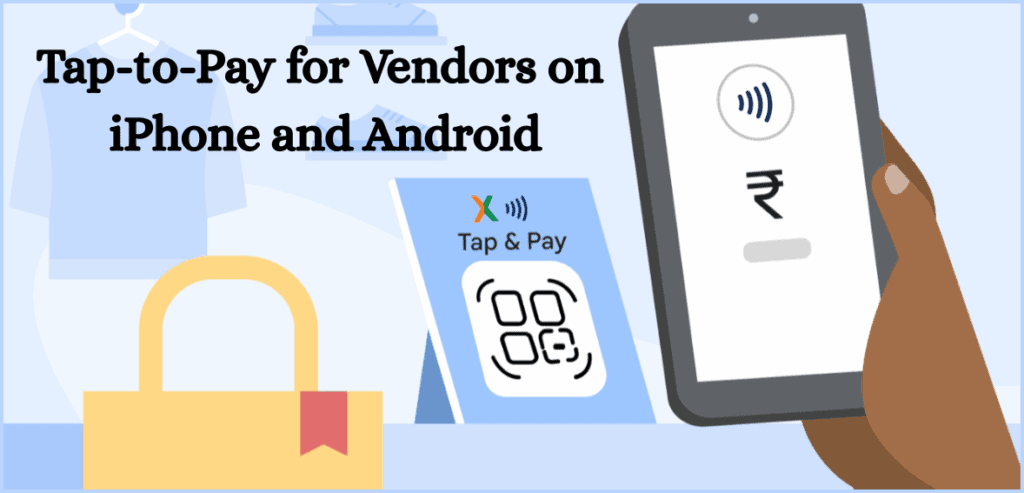
Tap-to-pay for vendors runs on NFC technology. NFC enables two gadgets to talk to each other when they are very close to each other. The moment a customer taps a card or a digital payment on the vendor’s phone, encrypted data is transferred very fast. The whole transaction takes place within just a few seconds.
Tap-to-pay on iPhone takes advantage of Apple’s NFC chip and secure software layer. The vendors just have to open up their payment app and hold up their phone. Tap-to-pay on Android is pretty much the same and works with a great number of devices. The two platforms support not only contactless cards, Apple Pay, Google Pay, and all other digital wallets.
Vendors using contactless payments protect sensitive data through tokenization. Your card information is swapped with secure tokens. This stops fraud and the chance of unauthorized access. The whole thing is so smooth for both the vendors and the customers that tap-to-pay for vendors has become an efficient and very trustworthy payment method.
Tap-to-Pay for Vendors Setup Process Explained
Configuring Tap-to-Pay for Vendors is extremely fast and simple. Just a smartphone that is compatible and has NFC functionality is all that vendors need. While tap-to-pay on iPhone supports only devices from iPhone XS or later models, tap-to-pay on Android is restricted to NFC-enabled phones that run on updated software.
After that, the vendors choose a payment service provider. Payment processing, compliance, and settlements are the core functions of these providers. The creation of the account and then the identity verification of the vendor are the next steps. This procedure is a safeguard for regulatory compliance and fraud prevention.
The vendor is approved, then installs the payment app, and finally activates the tap-to-pay feature. Users are guided through the process of granting permissions and changing security settings via the app. No hardware has to be connected or set up. Contactless payments for vendors can start almost at once. The setup simplicity renders the tap-to-pay for vendors a perfect solution for companies that require immediate payment acceptance.
Security and Compliance in Tap-to-Pay for Vendors
Security is a primary concern for tap-to-pay vendors. These systems are built to comply with very strict industry standards. The transactions are in full compliance with PCI DSS requirements. Payment data enjoys encryption throughout the entire process.
The tap-to-pay on iPhone uses Apple’s Secure Enclave to separate the sensitive data. The tap-to-pay on Android uses the security backed by the hardware, along with the encrypted areas. On both sides, it is guaranteed that the real card numbers are never kept on the device.
Vendors’ contactless payments eliminate the risks related to the physical handling of cards. No card swiping or inserting happens, and therefore, the exposure to skimming devices is reduced. Biometric authentication is strengthening security even more. From the compliance point of view, the tap-to-pay for vendors is helping to meet the requirements of US regulatory institutions while at the same time keeping the security standards very high for both parties—the vendor and the customer.
Transaction Limits and Fees in Tap-to-Pay for Vendors
Vendors using tap-to-pay enjoy the benefit of varying transaction limits depending on the provider and the card network. The majority of the contactless payments allow for moderate to high amounts. However, additional validation may be needed for some of the high-value transactions to complete.
Generally, tap-to-pay on iPhone and tap-to-pay on Android adhere to the same limits that apply to the traditional contactless card readers. New merchant accounts may begin with daily or per-transaction caps. These restrictions usually rise in parallel with the accumulation of transaction history.
The fees imposed on vendors for using the contactless payment option are at par with competitive rates. Generally, vendors incur a flat fee for processing each transaction. There are no costs associated with renting or maintaining the hardware. This not only makes tap-to-pay for vendors financially tempting for small enterprises but also aids them in understanding provider pricing, thus managing costs and improving profit margins.
Best Use Cases for Tap-to-Pay for Vendors
The system tap-to-pay for vendors is very effective in mobile and service-driven places. Food trucks get the advantage of having fast service and easy setups. Vendors at an event can receive payments anywhere in the location without needing power or cables.
The use of tap-to-pay on the iPhone is perfect for consultants, trainers, and freelancers who charge after their sessions. The payment is taken right away. Tap-to-pay on the Android device is good for market traders and pop-up stores that have a need for mobility and flexibility.
Vendors’ no-contact payments also come along with the support of delivery services and home-repairing professionals. These kinds of businesses are operating outside the traditional retail shops. Tap-to-pay for vendors allows them to provide a professional, fast payment experience wherever they are working. It is this flexibility that makes it a strong option for different modern commerce models.
Advantages of Using Tap-to-Pay for Vendors
Tap-to-pay for vendors brings in a sure shot of convenience and efficiency. The vendors have the choice of using their own devices. There will be no more managing of additional hardware or cables. The whole process of setting up and onboarding is done in a jiffy.
Tap-to-phone payments for vendors lead to the enhancement of customer satisfaction. Quick and easy transactions are what customers are looking for with the modern and hygienic experience. This is what the customers’ trust and repurchasing are based on.
Tap-to-pay on iPhone and tap-to-pay on Android are a couple of upfront costs that are reduced. Software updates take place with no action from the vendors. The vendors are winning with the enhanced portability and scalability. Tap-to-pay for vendors will grow along with the business without further infrastructure costs.
Limitations and Challenges of Tap-to-Pay for Vendors
Although tap-to-pay for vendors is beneficial, it is still not without difficulties. One of the problems is the battery usage. Charging smartphones is almost inevitable for vendors, as high transaction volumes may cause rapid drainage of the battery.
Tap-to-pay on iPhone and tap-to-pay on Android both require strong internet connections. Transactions can be hindered by poor connectivity. There are very few alternatives for offline payments, if any.
In case of the customers who have not yet gotten accustomed to the vendor’s contactless payments, a small explanation from the vendor may be needed. Apart from that, tap-to-pay for vendors has no inventory management and reporting functions, which are usually offered by retail point-of-sale systems. Every business with intricate processes may need to have extra tools in addition to the tap-to-pay capability.
Choosing the Right Provider for Tap-to-Pay for Vendors
The right provider selection is a key factor in the success of tap-to-pay for vendors. It is recommended that vendors compare transaction fees, payout timelines, and payment methods that are supported. The integration with accounting systems is also a factor of great importance.
Tap-to-pay on iPhone providers often highlight compatibility with the ecosystem and security. Tap-to-pay on Android providers are device flexibility and customization-oriented.
The vendors’ contactless payments should include support for all major cards and digital wallets. Consistent and helpful customer support is a necessity. Revenue can be affected by the downtime. The right provider selection can make tap-to-pay for vendors run without any problems and be a source of business growth over the long term.
Future of Tap-to-Pay for Vendors and Contactless Payments
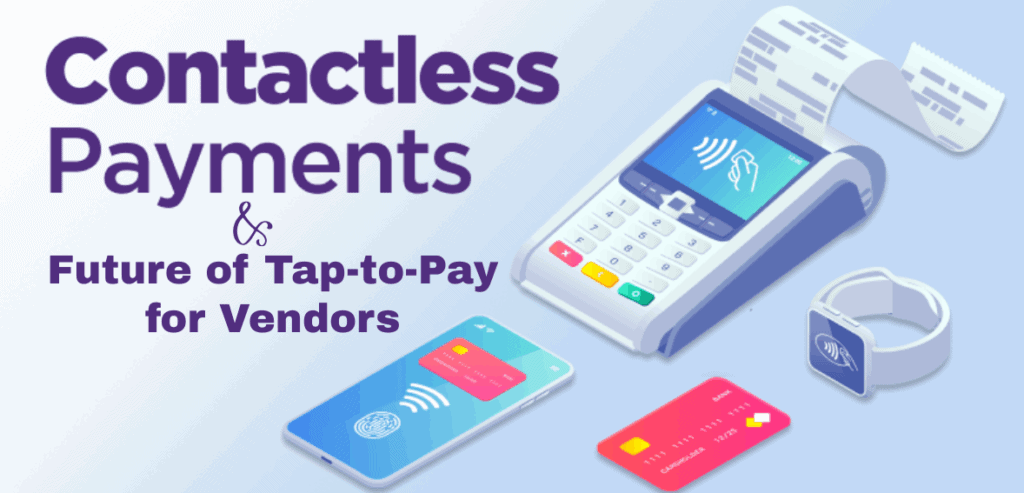
Tap-to-pay for vendors is a product that is set to experience strong growth. The trend of smartphone usage among people and with a wider range of users that is continuously rising. The use of NFC technology is becoming the norm in all devices. Payment networks plan to gradually make contactless payment widely accepted all over the world.
Tap-to-pay on iPhone and tap-to-pay on Android will not only be available but will also offer new features like advanced analytics, digital receipts, loyalty integrations, and customer insights.
Vendors are withdrawing the option of cash payments, and at the same time, they are offering contactless payments, which have almost become the default choice for consumers. Those businesses that embrace the use of tap-to-pay for vendors at an early stage will reap the benefit of a competitive edge. The road is heading toward a kind of payment experience that is totally mobile, driven by software, and one that gives utmost priority to speed, security, and convenience.
Conclusion
Tap-to-pay for vendors is a new system that provides a modern and flexible way of accepting payments. It also eliminates the need for old-fashioned card machines and lowers initial costs. Tap-to-pay on iPhone and tap-to-pay on Android convert mobile phones into safe payment terminals that can be used anywhere.
The acceptance of contactless payments for vendors resulted in faster checkout and increased customer satisfaction. It is in keeping with the current consumer demand for quick and touchless transactions. Although tap-to-pay for vendors may not completely take over the role of full POS systems in big retail outlets, it is still a very good choice for small, mobile, and service-based businesses.
The vendors who go for tap-to-pay for vendors will be the winners in the future when the trend of digital payments is at its peak. The technology allows for expansion, movement, and safety. Tap-to-pay for vendors is a strategic advantage in today’s payment landscape for companies that want to prioritize simplicity and efficiency. They can not only use it as a means of payment, but it also helps them overall.
FAQs
What do you mean by tap-to-pay for vendors?
The tap-to-pay for vendors is a term to refers to a technique in which retailers are enabled to receive payments for their goods or services straight from customers’ credit/debit cards or mobile wallets without any physical connection.
What equipment of the vendor would tap-to-pay be compatible with?
For most NFC-enabled Android smartphones with the latest version of software available in the market. Owners of iPhone XS or even higher would have this trendy facility in their hands.
Are tap-to-pay transactions for vendors secure?
Definitely, encrypted data and tokenization, along with biometric authentication the methods used in contactless payments for vendors to protect the payment data and to comply with PCI standards.
What are the restrictions regarding tap-to-pay use for merchants?
The limits on transactions vary with the provider and card network, but tap-to-pay on iPhone and Android usually accepts the same limits as normal contactless payments.
Is tap-to-pay for vendors appropriate for small enterprises?
Definitely, tap-to-pay type of payment solutions for vendors are perfect for small, mobile, and service-oriented companies that require quick and inexpensive payment acceptance.